Search This Blog

Powered By Blogger

Search This Blog

Sunday, May 19, 2024

Alkaline Remineralization Filter

ALKALINE REMINERALIZATION WATER - Exclusively designed to restore the natural alkalinity and mineral balance of water. The alkaline filter contains pure natural filter material without any chemical additives or heavy metal pollution. It is enriched with essential minerals such as calcium, magnesium, and potassium, resulting in a higher pH level compared to an ionizer. Choose our alkaline mineralization filtration to ensure your drinking water is safer and healthier.


Wednesday, April 24, 2024

Filtered Water vs Bottled Mineral Water – What Are the Practical Advantages?


Choosing between filtered tap water and bottled mineral water is often a matter of convenience, cost, taste, and personal preference. Both options can have their place, but for everyday use at home, a properly selected water filtration system can offer several practical advantages.

1. Less Plastic Packaging

One of the most obvious differences is the amount of packaging involved.

Bottled water usually requires plastic or glass containers, transportation, storage, and later disposal or recycling. A home filtration system uses the water that is already supplied to the building, which can significantly reduce the number of disposable bottles used by a household.

For people who drink filtered water every day, a reusable bottle or glass container can replace many single-use bottles over time.

2. Lower Long-Term Cost

Buying bottled water may not seem expensive when looking at a single bottle or package, but the cost adds up when it is purchased every week throughout the year.

A water filtration system requires an initial investment and periodic replacement of filter cartridges or other service components. However, depending on the type of system, household water consumption, and local water prices, filtered water can be a more economical solution over the long term.

Regular maintenance is important because every filtration system has consumable components that must be replaced according to the manufacturer’s recommendations.

3. Water Available Directly From the Tap

Another important advantage is convenience.

With a properly installed filtration system, filtered water is available whenever it is needed. There is no need to carry heavy packages of bottled water from the store, find space to store them, or remember to buy more.

This can be particularly useful for families that consume larger quantities of drinking water every day.

4. The Filtration System Can Be Selected for the Water

Not every water filter works in the same way.

Different systems are designed for different purposes. Depending on the quality of the source water, the installation may use sediment filtration, activated carbon, reverse osmosis, or a combination of several treatment stages.

For example, some filters are intended mainly to improve taste and odor, while more advanced systems such as reverse osmosis are designed to reduce a much broader range of dissolved substances.

This is why the filter should be selected according to the actual water quality and the user’s expectations rather than simply choosing the largest or most expensive system.

5. Taste Can Be Adjusted to Personal Preference

The taste of bottled mineral water varies depending on its mineral composition.

Filtered water can also have a different taste depending on the filtration technology used. Activated carbon filtration, reverse osmosis, mineralization cartridges, and other treatment stages can all influence the final characteristics of the water.

For many users, the advantage is that the filtration system can be selected and configured according to their needs.

6. Less Storage and Transport

Bottled water takes up space.

A household that regularly purchases several packs of water needs somewhere to store them. Empty bottles must also be collected and disposed of.

A filtration system removes most of this daily logistics. Once installed, the water is treated directly where it is used.

Is Filtered Water Always Better Than Bottled Mineral Water?

Not necessarily.

These are two different solutions, and the best choice depends on the situation.

Bottled mineral water can be convenient when travelling or when access to suitable drinking water is limited. It may also be chosen because of a specific mineral composition or taste.

A home filtration system, on the other hand, is designed primarily to provide convenient access to treated water at the point of use.

The most important factor is therefore not whether water comes from a bottle or a filter, but whether the chosen solution is appropriate for the quality of the source water and is properly maintained.

Proper Maintenance Matters

A water filter should never be treated as a device that can be installed and forgotten.

Filter cartridges, membranes, and other consumable components have a limited service life. Their replacement schedule depends on the system, water quality, and water consumption.

A properly selected, correctly installed, and regularly serviced filtration system can provide convenient access to filtered water for many years.

This Topic Is Also Part of My Upcoming Book

The practical differences between various water treatment solutions are also part of my upcoming technical book for water filter installers and service technicians.

The book focuses not only on the equipment itself, but also on correct selection, installation, servicing, tools, installation components, and real-world solutions used in water treatment systems.

On this blog, I share selected practical topics for homeowners and people interested in water treatment. The book goes much deeper into the technical side of installation and service work.

More information about the book is available here:

New book in progress – Installation and Service Guide

Conclusion

Compared with regularly purchasing bottled mineral water, a home water filtration system can offer several practical benefits:

  • less plastic packaging,
  • lower long-term operating costs,
  • continuous access to filtered water,
  • less carrying and storage,
  • filtration adapted to local water conditions.

The right solution, however, should always be selected according to the actual water quality and the needs of the household.


Tuesday, April 23, 2024

Reverse Osmosis Filters – How Do They Work and When Are They Worth Using?


Reverse osmosis, commonly known as RO, is one of the most widely used technologies for point-of-use drinking water treatment.

A typical reverse osmosis system is installed under the kitchen sink and supplies filtered water to a separate drinking-water faucet or a suitable multi-way kitchen faucet.

But how does reverse osmosis actually work, and when does such a system make sense?

What Is Reverse Osmosis?

The main component of an RO system is a semi-permeable membrane.

Water is forced through the membrane under pressure. Water molecules pass through, while a large proportion of dissolved substances remain on the concentrate side of the membrane and are discharged to the drain.

Because of this separation process, reverse osmosis can significantly reduce the concentration of many dissolved substances present in the incoming water.

However, the RO membrane is only one part of the system.

A Typical RO System Uses Several Filtration Stages

Before water reaches the membrane, it normally passes through pre-filtration stages.

Depending on the design of the system, these may include:

  • sediment filtration,
  • activated carbon filtration,
  • carbon block filtration,
  • the RO membrane,
  • post-filtration,
  • optional mineralization or other final treatment stages.

The pre-filters protect the membrane from sediment and substances such as chlorine that may affect its service life.

After passing through the RO membrane, the water may be treated by additional cartridges depending on the desired final water characteristics.

Storage Tank or Tankless System?

Traditional reverse osmosis systems usually use a pressurized storage tank.

The membrane produces water gradually, and the purified water is stored in the tank until it is needed.

Modern systems may also use a tankless design, where the water is produced directly when the faucet is opened.

Both solutions have advantages.

A system with a tank is a proven and widely used design, while a tankless system may be preferable where cabinet space is limited or where a more compact installation is required.

The correct choice depends on available space, water consumption, incoming water pressure, and the expectations of the user.

Where Is an RO System Usually Installed?

In residential applications, reverse osmosis systems are most commonly installed close to the point where drinking water is used — usually under the kitchen sink.

A properly planned installation should provide enough space for:

  • the filtration system,
  • the storage tank, if used,
  • tubing,
  • shut-off valves,
  • the drain connection,
  • and future servicing.

The system should not simply be squeezed into the cabinet wherever there is free space.

Future filter replacement and service access should be considered from the beginning.

Water Pressure Matters

Reverse osmosis depends on water pressure.

If the incoming pressure is too low, membrane performance may decrease and the system may produce water more slowly.

In some installations, a booster pump may therefore be required.

On the other hand, excessive pressure may require appropriate pressure control.

For this reason, water pressure should be checked before selecting or installing an RO system.

Filter Replacement and Servicing

An RO system is not a maintenance-free device.

Pre-filters, post-filters, and the membrane have a limited service life. Replacement intervals depend on several factors, including:

  • incoming water quality,
  • water consumption,
  • type of cartridges,
  • system design,
  • and manufacturer recommendations.

Regular servicing helps maintain system performance and also provides an opportunity to inspect tubing, fittings, valves, and the storage tank.

A well-installed system should therefore be designed not only for the day of installation, but also for the years of servicing that follow.

Is Reverse Osmosis Necessary in Every Home?

No.

There is no single water treatment system that is ideal for every household.

The right solution depends on the quality of the incoming water and the result the user wants to achieve.

In some cases, activated carbon filtration may be sufficient. In others, water softening, iron removal, UV treatment, or reverse osmosis may be more appropriate.

The treatment method should always be selected according to the actual water conditions rather than simply choosing a system because it is popular.

Compact RO and Nanofiltration Systems

Modern water treatment equipment is becoming increasingly compact.

Systems such as RO PAD and NANO PAD place most filtration components inside a closed housing, helping to keep the under-sink area organised and protecting internal components.

RO PAD uses reverse osmosis technology, while NANO PAD uses a different membrane technology with different separation characteristics. More information about these systems and my AMEX FILTER solutions can be found on the dedicated page below. filtersystem.blogspot.com

AMEX FILTER – Water Filtration Systems

Final Thoughts

Reverse osmosis can be a very effective solution for drinking-water treatment, but the quality of the installation is just as important as the equipment itself.

The system should be properly selected, installed with adequate service access, and maintained regularly.

A good RO installation is not simply a collection of filters connected under the sink.

It is a complete water treatment system that should be planned with installation, everyday use, and future servicing in mind.


Sunday, January 28, 2024

Water Filter Business Plan – Practical Foundations for Installers and Service Technicians


Starting a water filter business is about much more than selling filtration equipment.

A successful water treatment business requires technical knowledge, reliable installation, regular servicing, good organization, and long-term relationships with customers. The equipment itself is only one part of the work.

I have been involved in water treatment since 1997, and over the years I have learned that the most valuable part of this business is not necessarily the first sale. It is the ability to install equipment correctly, take responsibility for the system, and continue servicing it for many years. Filter System

Start With Technical Knowledge

Before thinking about advertising or sales, an installer should understand the systems they intend to work with.

Reverse osmosis systems, water softeners, Big Blue filters, iron removal systems, UV units, and other water treatment devices require different tools, installation methods, and service procedures.

A professional installer should know not only how to connect a device, but also how to select the right solution, identify installation conditions, plan future service access, and recognize potential problems before they occur.

A correctly completed installation builds trust from the very first visit.

Tools and Installation Equipment Matter

The right tools make installation faster, safer, and more professional.

An installer does not need to buy every possible tool at the beginning, but the basic installation and service equipment should allow the work to be completed without improvisation.

Over time, the toolbox grows together with experience.

The same applies to installation components. Pipes, fittings, valves, drain connections, mounting supports, sealing materials, and other small parts often determine whether the installation is clean, serviceable, and reliable.

Service Is More Important Than a One-Time Sale

One of the most important lessons in the water filter business is that installation is only the beginning.

Most water treatment systems require future service. Depending on the type of equipment, this may include cartridge replacement, membrane replacement, checking water pressure, inspecting fittings and tubing, replenishing salt, cleaning components, or checking system operation.

A satisfied customer may need professional service for many years.

This creates a completely different business model from one based only on selling equipment.

Instead of constantly searching for new customers, an installer can gradually build a base of customers who already know and trust their work.

Organizing Service Work

As the number of customers grows, good organization becomes increasingly important.

Customer records, installation dates, equipment information, service intervals, and planned visits should be kept in an organized system.

Service appointments can also be grouped geographically so that several customers in the same area can be visited during one working day.

This saves travel time and makes the service side of the business more efficient.

Customer Trust Comes First

A water treatment installer works inside people’s homes and is responsible for equipment connected directly to the plumbing system.

Trust is therefore essential.

Customers remember whether the installer arrived on time, explained the system clearly, left the installation area clean, used appropriate materials, and responded when service was later required.

Long-term customer relationships are built through consistent work rather than aggressive sales.

Building an Online Presence

Today, customers often look for an installer online before making contact.

A simple website or technical blog can show examples of completed installations, explain different filtration technologies, answer common customer questions, and demonstrate practical experience.

Real installation photos and useful educational articles are often more convincing than strong advertising claims.

The goal should be to help potential customers understand the problem and the available solutions.

Can a Water Filter Business Grow?

Yes, but growth should follow the service capacity of the business.

A single installer can manage a certain number of installations and service visits. As the customer base grows, additional technicians can eventually be trained to manage their own service routes.

However, growth should not come at the expense of installation quality or customer service.

A larger number of installations only creates long-term value when the company is able to look after those systems later.

This Subject Is Part of My Upcoming Book

I am currently developing a technical guide for water filter installers and service technicians.

The book combines installation practice with the business side of working in water treatment. It covers tools, reverse osmosis systems, water softeners, Big Blue filters, iron removal systems, UV treatment, service organization, customer acquisition, and the development of a long-term service business.

It is not intended to promise instant success or easy income. Its purpose is to show the practical work, preparation, organization, and responsibility involved in building this type of activity.

More information about the book:

New book in progress – Installation and Service Guide

Final Thoughts

A water filter business does not begin with a sales brochure.

It begins with technical knowledge, the right tools, careful installation, and responsibility for the systems that have been installed.

Selling a device may create the first transaction.

Professional service is what can create a customer relationship that lasts for many years.


Friday, September 22, 2023

How to install a water filter

How to install a water filter?


Hello Dear Reader.
Maybe this year you will be able to buy a book for water filter assemblers and installers. We have experience in this field since 1997.

From the book you will learn:
- how to install water filters
- how to service water filters
- how to replace filters and components
- how to build a customer network
- perform paid water filter service every few months
- how to build semi-passive income
- how to acquire customers from the Internet
- many other interesting things

We have installed over 2,000 thousand water filtration systems. If you are a technician and want to have a steady income from a paid service, buy our book soon and be financially independent.

Regards
Piotr Żukowicz


Tags: water purification books, water purification book, water filter book, water treatment book, water filtration book, water purification business, water purification business plan, water purification business for sale, water purification business proposal, water purification business plan doc, water filter plant business, water filter business, water purifier business, water purification business.

Sunday, September 17, 2023

Water Softener Installation

Water Softener Installation


How to install a water filter?

Hello Dear Reader.
Maybe this year you will be able to buy a book for water filter assemblers and installers. We have experience in this field since 1997.

From the book you will learn:
- how to install water filters
- how to service water filters
- how to replace filters and components
- how to build a customer network
- perform paid water filter service every few months
- how to build semi-passive income
- how to acquire customers from the Internet
- many other interesting things

We have installed over 2,000 thousand water filtration systems. If you are a technician and want to have a steady income from a paid service, buy our book soon and be financially independent.

Regards
Piotr Żukowicz


Monday, May 24, 2021

Industrial Reverse Osmosis Systems


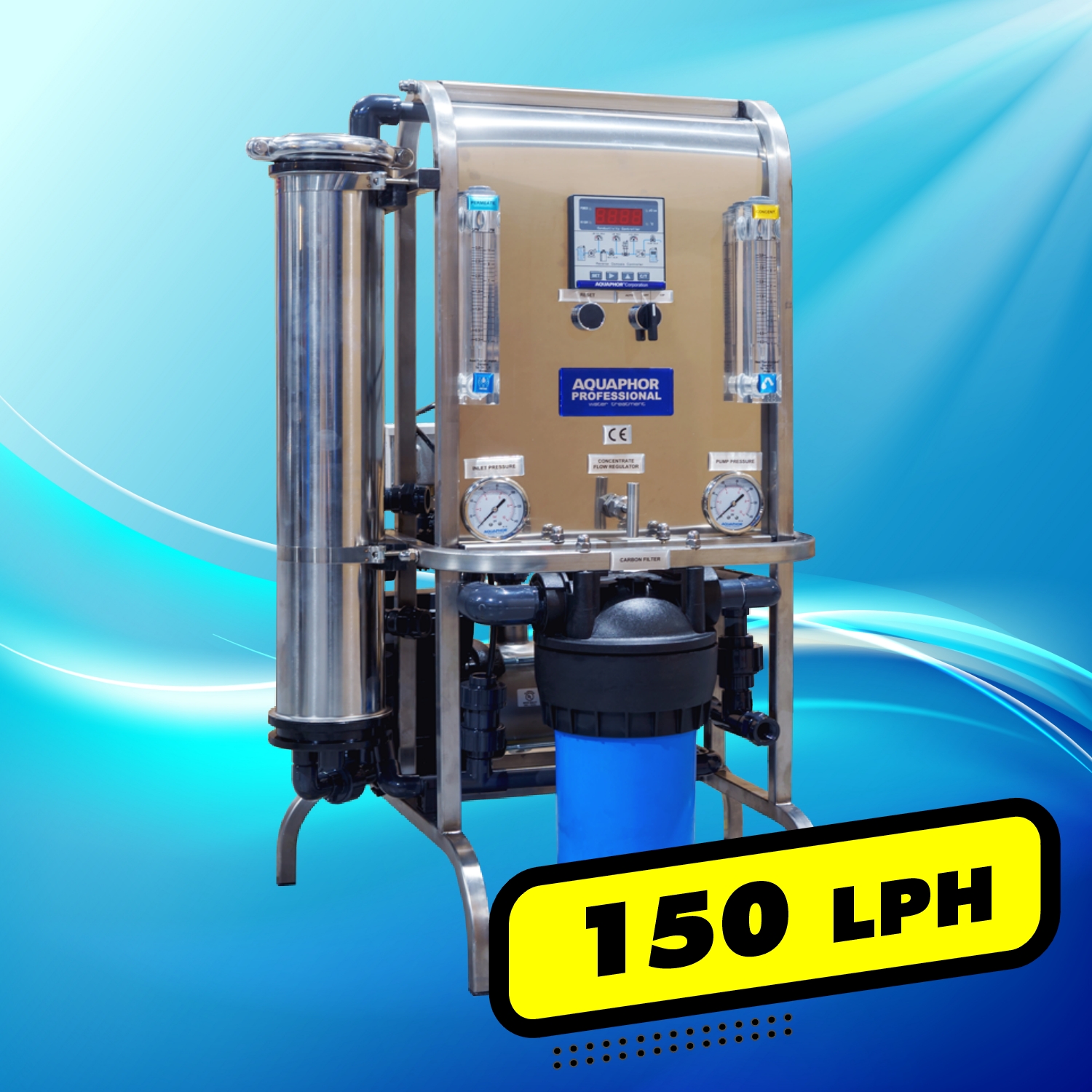
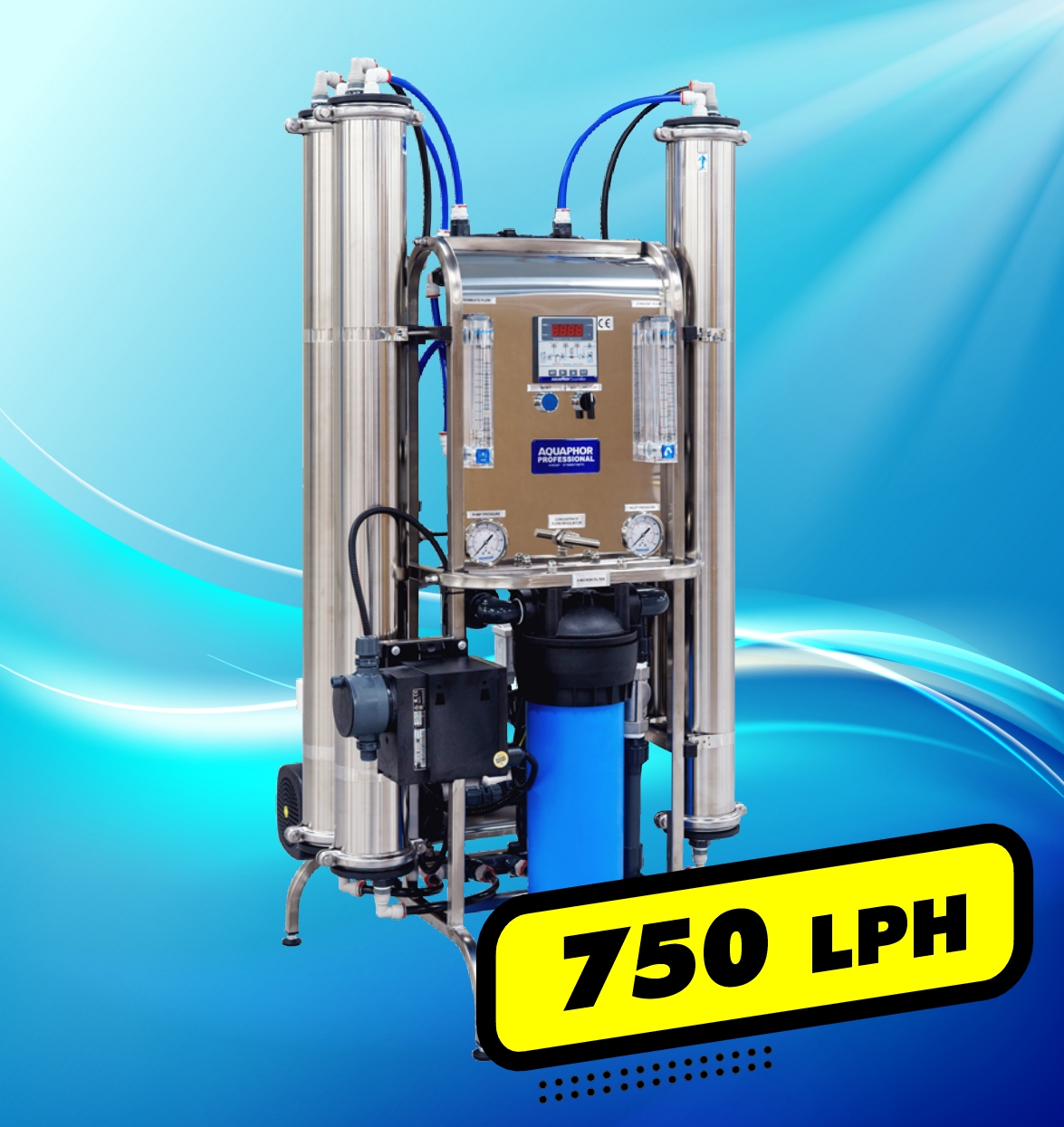
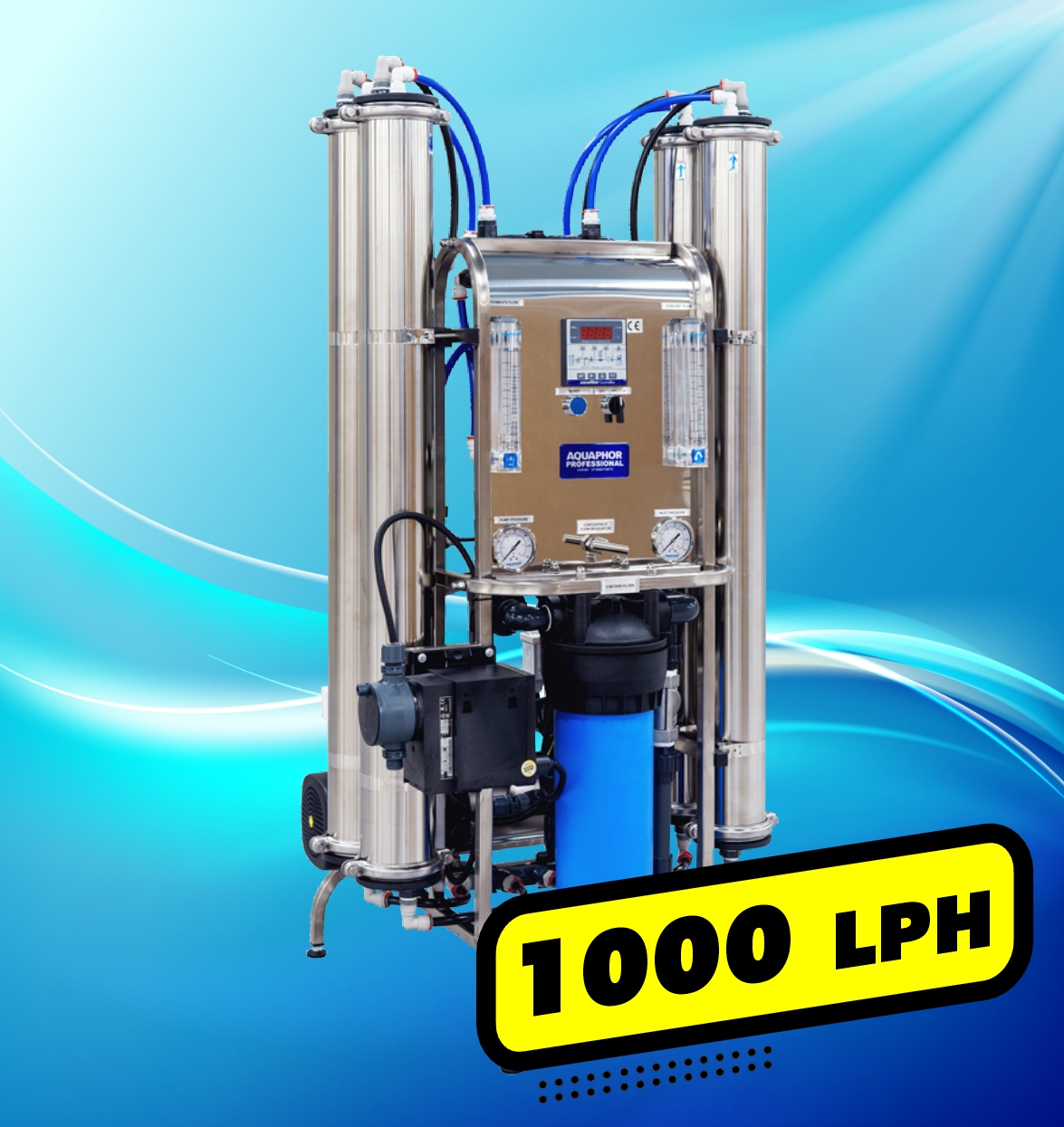
Commercial, High Efficiency Reverse Osmosis Systems for industry. They allow for the continuous production of high-quality water with low energy consumption and low operating costs. The most popular solutions for the sector of small and medium-sized enterprises in the country and abroad. Used in the food industry, agriculture, medicine and pharmacy, HoReCa, production plants and state institutions.

Tags: aquaphor reverse osmosis, process water filter, industrial water filters, reverse osmosis filters, industrial filters, industrial water filters, industrial filters poland sp. Z oo, reverse osmosis, reverse osmosis - shop, reverse osmosis price, reverse osmosis for industry, reverse osmosis pump, reverse osmosis industrial price, reverse osmosis shop, reverse osmosis in industry, reverse osmosis efficiency, reverse osmosis, industrial osmosis, manufacturer of industrial filters, industrial water filters, industrial reverse osmosis filters, industrial reverse osmosis system, types of industrial filters, reverse osmosis station, Reverse osmosis water treatment plant, Reverse osmosis systems, the use of reverse osmosis.


https://amexwater.com.pl/pl/c/Przemyslowe-Systemy-Odwroconej-Osmozy/86